
Tell us about your accident and we'll tell you...
If you have a claim
How much it's worth
How to proceed
70% of people who can claim compensation
don't bother! It's so simple, just ask us a question

Asbestosis Claims
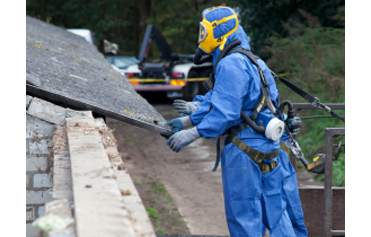 Tragically there are still asbestosis compensation claims being made even though the use of asbestos has been banned for over a decade. Even now people are still suffering from its debilitating effects. The sufferers are those who once worked in environments where the material was present. Breathing in the fibres leads to several diseases, the most common of which is asbestosis.
ASBESTOSIS-THE SYMPTOMS
The symptoms of asbestosis usually manifest themselves after several years, when the sufferer may have already given up work through ill health or is already retired. The symptoms of the disease tend to differ from person to person and once diagnosed need to be regularly monitored by doctors. In some cases it can prove fatal. Anyone diagnosed with the disease can make an injury compensation claim. Here the notes from the doctor treating your condition will be crucial.
ASBESTOSIS-WHAT CAN I CLAIM FOR?
Part of the claim for compensation will be assessed on the pain and suffering of the claimant as well as “loss of amenity”. Loss of amenity describes the inability to perform the day-to-day tasks which the asbestosis sufferer was previously able to do. This can be from a limited period of time to permanently. The doctor’s report will be invaluable in helping the court decide the degree of pain and suffering and loss of amenity. Another part of an asbestos compensation claim is for any financial losses and expenses caused by the condition. The losses are the caused by the inability to earn a living, while expenses can include the cost of any special help or modifications to the home required by the sufferer. Those pursuing asbestosis compensation claims will need to have first rate legal representation if they are to be successful. Ask our expert compensation claim solicitors your question and you will get a response within the hour. We will put you in contact with a professional who specialises in claims for industrial disease and disability. The lawyer will have to prove that that asbestosis was caused because someone – usually the employer – failed in their duty of care to the sufferer and that the illness was caused by exposure to asbestos during their employment.
WANT TO KNOW HOW TO CLAIM COMPENSATION FOR ASBESTOSIS? CALL US TODAY
Please be aware that time limitation periods apply to all personal injury claims. So make sure you get specialist legal advice about your compensation claim ASAP.
- Call us now for FREE phone advice on FREEPHONE 0800 1404544 or
- Complete the enquiry box at the top of this page, or fill in the email contact form below for a reply by email or a call back at a time when it’s convenient to you
-
No Obligation
-
Accredited Specialist Solicitors
-
Response Within 60 Minutes
-
Free Service